
Magic Consumption Mechanics in Games: Mana, Stamina, and Sacrifice Systems Compared
Magic consumption mechanics define how spellcasters pay for their power. From Mana pools to Backlash risks and Magic Slot preparation, each approach shapes tactical decision-making and player psychology in distinct ways.
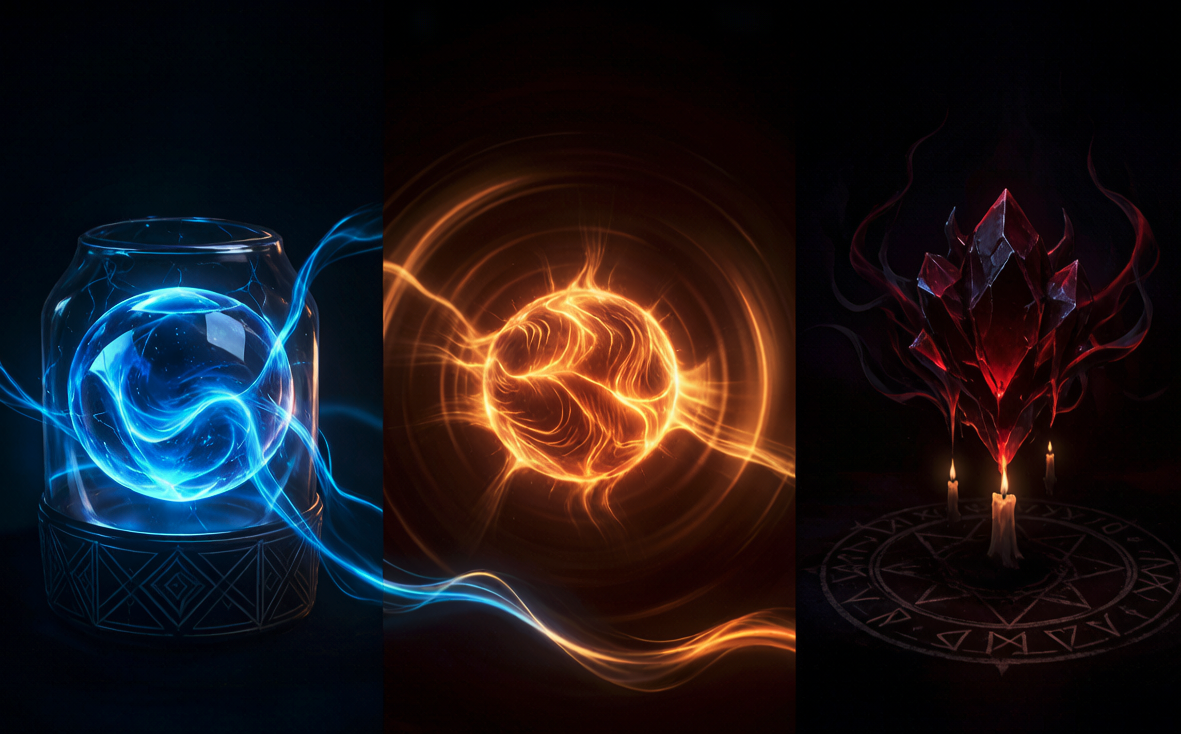
Introduction
Magic consumption mechanics define how spellcasters pay for their power. The choice between Mana, Stamina, and Sacrifice systems shapes everything from tactical decision-making to player psychology. Each approach carries distinct trade-offs, and understanding these trade-offs is essential for any game designer building a magic system.
The Three Pillars of Magic Limitation
RPG design literature generally identifies three major approaches to limiting magic use: Mana systems, Backlash systems, and Magic Slot systems. These categories capture the fundamental tension between resource availability, player freedom, and consequence.
Mana Systems: The Resource Pool
Mana systems provide a pool of points that players spend to cast spells. More powerful spells cost more points. The system is flexible but requires bookkeeping.
The primary advantage is granularity. A mana system allows fine-tuning of spell costs, enabling designers to balance abilities precisely. A fireball costing 20 mana and dealing 30 damage is a clear, predictable trade-off players can evaluate.
The main drawback is bookkeeping. Players must track a resource that changes constantly. As one designer noted, mana systems offer a huge variety but their main drawback is bookkeeping.
Magic Slots: The Prepared Approach
Slot systems limit casters to a fixed number of spells per day or per encounter. Dungeons & Dragons uses this approach: wizards prepare spells in advance and expend them when cast.
The advantage is simplicity. Players track a small number of charges rather than a fluctuating pool. The trade-off is reduced flexibility. As one analysis notes, we don't get the same balancing fine thread screw as in a mana system, but at increased usability.
Slot systems create resource conservation as a core strategic layer. Players must decide which spells to prepare and when to use them. This encourages planning but can feel restrictive compared to mana's on-the-fly flexibility.
Backlash Systems: Magic with a Price
Backlash systems allow unlimited casting but impose a cost on the caster. In Shadowrun, spells can damage the caster directly, though they get a chance to resist. Other systems use sanity, stamina, or life force as the payment mechanism.
The core design question for backlash is: how severe is the penalty, and can it be mitigated? Backlash systems excel at creating dramatic tension. Every spell carries risk. The player must decide whether the benefit of casting outweighs the potential cost. This creates moments of genuine suspense.
The downside is increased complexity. As one designer observed, backlash systems involve increased rolling but offer the benefit of occasionally more magic, or less, or actually giving magic a proper risk.
Hybrid Approaches and Variants
In practice, most games blend these approaches or introduce modifications to suit their design goals. The following variants illustrate how designers adapt the core pillars to create distinctive magic systems.
The Regen Question
One critical design decision is whether mana regenerates automatically or requires rest. Arguments for regeneration emphasise playability: managing resources like health, mana, and stamina is a big part of the game, and more complications mean more interesting decisions.
Arguments against regeneration emphasise strategic depth. Regeneration should only happen if you eat food, are in a settlement, or in a tavern or inn. Otherwise it should not naturally regen out of combat.
A common compromise is out-of-combat regeneration that accelerates with food or rest. This allows players to recover between encounters without the tedium of waiting, while still making resource management matter.
Resource-Driven Identity
Some games tie magic consumption directly to world-building. RuneScape's 2026 combat modernisation reinforced magic's identity as a resource-driven style by ensuring all magic abilities consume runes. This creates economic significance — rune consumption restores clarity to its relationship with Runecrafting and the in-game economy.
The design logic is clear: runes are consumed 20 percent of the time per ability cast. This establishes a predictable and consistent cost structure. The predictability matters as much as the cost itself.
Material Components as Limiter
Some systems replace abstract mana with concrete material components. One designer proposed a system where spells consume specific items, requiring scavenging and resource management. A strip of leather for Mage Armour, a diamond for Raise Dead — each spell has a tangible cost.
The challenge is balancing availability. If components are too common, the system has no teeth. If too rare, casters become useless. One responder warned that you would have to figure a way to manage upcasting, and for a spell like Wish, how do you actually set a material for that spell without affecting the value of certain choices?
Design Principles for Magic Consumption
Analysis of magic system design literature reveals several principles that should guide any designer building a magic consumption system.
Limitations Are More Interesting Than Powers
A magic system with no costs or constraints quickly becomes a cure-all that negates challenges. The weaknesses, costs, and restrictions create tension and force interesting decisions. Resource limitations serve this purpose: they make every spell choice meaningful.
Avoid "Bar Management" Anti-Patterns
One detailed design document explicitly rejects the "keep the bar full" mentality. The argument is that when players spend more time watching meters than making decisions, the game becomes spreadsheet management.
Energy should be a timing puzzle to solve, not a cap to stay under. Ammo should constrain attack patterns, not overall damage output. Fatigue should be guidance toward variety, not punishment. This philosophy transforms resource management from passive maintenance into active strategy.
Match System to Game Tone
The choice of magic consumption system should reflect the game's intended experience. A survival game might use rare, harvestable magic sources that create an economy around mana potions. A gritty, dangerous setting might use backlash systems where every spell risks the caster's life. A high-fantasy epic might use regenerating mana that encourages frequent, powerful magic use.
The Bottom Line
Magic consumption mechanics are not just about limiting power. They shape player psychology, tactical depth, and narrative tone. Mana systems offer granularity and flexibility but require bookkeeping. Slot systems offer simplicity and strategic preparation. Backlash systems offer tension and risk. Hybrid approaches blend these elements to suit specific design goals.
The best system is the one that serves the experience. If magic is a reliable tool for solving problems, a mana or slot system with predictable costs works well. If magic is a dangerous force that should be used sparingly, a backlash system creates the right tension. If magic is part of the world's economy, tying consumption to tangible resources reinforces that identity.
The key is intentionality. Know what feeling you want magic to create, and choose the consumption mechanic that delivers it.
Explore on Olgjoy Games
Ready to play? Browse free HTML5 games or read more guides.
More to read

From Simple Rumble to True Haptics: The Evolution of Vibration Feedback in Game Controllers
What started as a crude "on/off" rumble has evolved into a subtle language of touch — modern haptic systems can simulate texture, weight, and even individual raindrops. Tracing this evolution shows how hardware, software, and design philosophy transformed controller feedback from a gimmick into a core part of the play experience.

Historical Accuracy vs. Gameplay: The Art of Compromise in Historical Games
Historical games carry the weight of representing real people, events, and cultures — yet they must also be fun. How developers navigate the tension between authenticity and playability, and why "believable" matters more than "accurate."
Balancing the Brutality of War and Entertainment: Narrative Ethics in WWII Games
WWII games face a unique ethical challenge: how to be engaging and fun while doing justice to the deadliest conflict in human history. The most successful titles refuse to glorify war — and prove that ethical engagement and compelling gameplay can coexist.
How Horror Games Are Using Sound Tricks and Visual Lies to Mess With Your Head
The most terrifying games today don't just make you jump — they make you question everything you hear and see. Audio puns and environmental misdirection are becoming the foundation of modern fear.