
Retro Turn-Based Tactics: Innovation and Compromise in Modern Design
Developers keep going back to the 1990s for inspiration, but they're not just copying — they're adapting. Here's what works, what doesn't, and what the next decade holds for the genre.
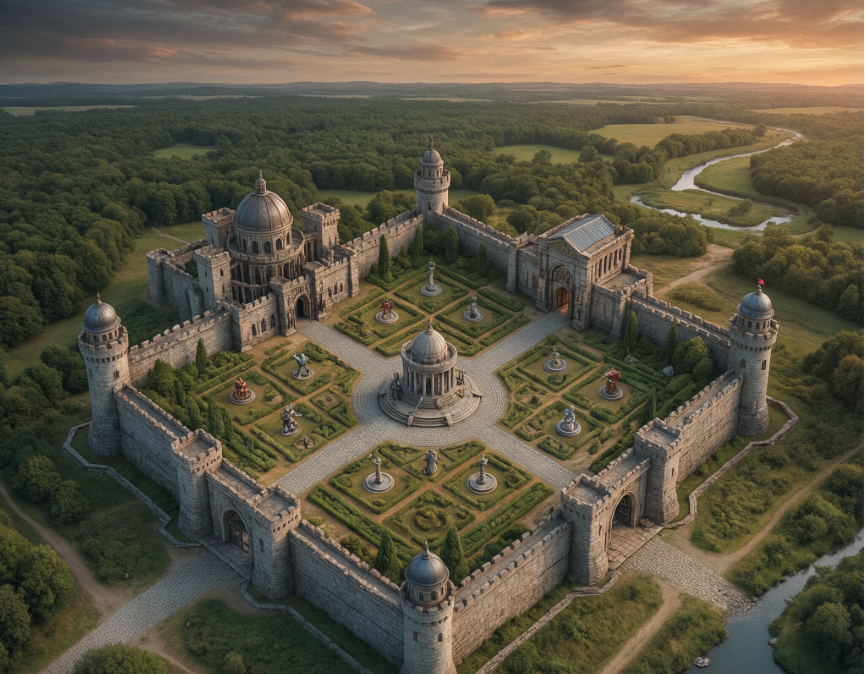
Why the Old School Still Appeals
There's something interesting happening in strategy games right now. Developers keep going back to the 1990s — the era of Final Fantasy Tactics, Tactics Ogre, and the early Fire Emblem games — and pulling those classic formulas into the present. But they're not just copying. They're adapting. And the results are a mixed bag of genuine innovation and necessary compromise.
The question is: when you strip away the nostalgia, how much of the old formula still holds up in 2026? And what has to change to make it relevant again?
There's a reason developers keep returning to the 90s well. Classic turn-based tactics games offered something that modern titles often struggle to replicate: deliberate, thoughtful combat that rewarded patience and planning over reflexes.
Tactics Ogre, first released in 1995, remains a high watermark for the genre. As one player put it, those early chapters promised "a personal and affecting tale of the horrors of war and its effects on those we love, punctuated with a shocking density of choices." It was a game that asked you to think — about positioning, about elemental affinities, about which unit to move and in what order.
That deliberateness is the genre's secret weapon. In an era of twitch shooters and action RPGs, turn-based tactics forces you to slow down. Every move matters. Every decision has consequences.
But that same quality is also the genre's weakness. When the pacing falters, when battles become repetitive, when the story loses momentum — the whole experience can collapse. The same player noted about Tactics Ogre's later chapters: "Eventually the gameplay lost its sense of progression and novelty as battles, levels, and enemies stopped showing me things I hadn't seen before."
That's the tension at the heart of the genre. It's brilliant when it works. It's a slog when it doesn't.
Modern Innovations That Actually Work
So what are today's developers doing to keep the formula fresh? The answers vary, but a few approaches stand out.
Dynamic Worlds That Shift Under Your Feet
Endless Legend 2 introduces a mechanic called Tidefall — a recurring event where the oceans recede, revealing new lands, opportunities, and dangers. The idea came from a simple observation: players often find the exploration phase of strategy games the most fun, but get bored once the map is fully revealed and all territory is claimed.
Tidefall solves this by creating new exploration phases mid-campaign. Coastal cities suddenly become exposed. Land bridges connect previously isolated islands. The strategic landscape permanently shifts, and you have to adapt.
It's a smart innovation because it addresses a core problem without abandoning what makes the genre work. You're still making tactical decisions — you just have to keep making them as the world changes around you.
Building Relationships, Not Just Armies
Star Wars Zero Company, developed by former Firaxis devs who worked on XCOM and Marvel's Midnight Suns, takes a different approach. The game tracks relationships between every character on your roster. Complete missions together, heal each other, assist in attacks — and those bonds grow stronger. Some characters start with negative relationships, and you have to work to overcome them.
This isn't just window dressing. Stronger bonds unlock tactical benefits. The system creates real incentives to rotate your squad, to invest in character development beyond raw stats, to care about who's fighting alongside whom.
Greg Foertsch, the Creative Director, puts it simply: "Star Wars, at its best, is about relationships and found families." By building that into the mechanics, the game creates emotional stakes that pure number-crunching can't achieve.
Streamlining Without Dumbing Down
Ara: History Untold took a different approach with its Version 2.0 update. Based on player feedback, the developers streamlined crafting to reduce micromanagement. You can now set quotas and priorities rather than manually managing every production queue. The AI can even run shops for you.
This is a classic "innovation by subtraction" — removing friction without reducing depth. Players maintain control over their economy, but they don't have to spend hours clicking through menus. It's the kind of quality-of-life improvement that modern players expect, and it doesn't compromise the strategic core.
The Compromises That Sting
But not every attempt to modernise the genre lands smoothly.
When Visuals Miss the Mark
The announcement of Final Fantasy Tactics: The Ivalice Chronicles should have been cause for celebration. Instead, it sparked concern. The remaster uses smoothed‑over visuals that some fear will lose the charm of the original pixel art.
"Making original pixel art assets work across a range of modern displays and hardware is a tall order," one critic noted. The concern is that the new visuals will look "needlessly sanitised" — losing the weathered, old‑school charm that made the original special.
This is a classic compromise: modernising the look to appeal to new players while risking alienating the old guard who love the original aesthetic.
When New Content Clashes with Nostalgia
There's also the question of what to include. The director of the Final Fantasy Tactics remake, Kazutoyo Maehiro, made a controversial decision: he's basing the remake on the original 1997 game, not the expanded PSP version The War of the Lions.
His reasoning is straightforward: "I really wanted the younger generation of players who didn't get to experience the original release to be able to play this incredible game." He sees the original as a complete work that deserves preservation.
But fans who loved the PSP additions feel short‑changed. It's a compromise born of different philosophies — preservation versus expansion. And it's a reminder that even the best‑intentioned decisions can disappoint.
When Innovation Goes Wrong
Sometimes, innovation just doesn't land.
Wù Huá Mí Xīn (物华弥新) is a Chinese mobile game that tries to combine traditional turn‑based tactics with a gacha system and historical artifact collecting. The concept is genuinely creative: you collect "器者" — humanised versions of ancient Chinese artefacts — and deploy them in tactical battles.
The problem? The gameplay itself is flat. One reviewer describes it bluntly: "反反复复的操作轮次" — repetitive, round‑by‑round operations where you just move each unit, attack, and wait. The strategy that should make the genre engaging gets buried under tedious repetition.
What's worse, the game's progression system undermines the tactical depth. As you level up your characters, the power scaling becomes so aggressive that you can steamroll enemies without thinking. The tactical challenge that defined the genre simply evaporates.
It's a cautionary tale: innovation in presentation and concept doesn't matter if the core gameplay falls flat.
The Hybrid Frontier
One of the most interesting developments is the hybrid approach. Star Wars Zero Company blends Mass‑Effect‑style RPG storytelling and third‑person exploration with XCOM‑style turn‑based tactics. Warside offers a "快节奏回合制战术" — fast‑paced turn‑based tactics — that aims to preserve strategic depth while speeding up the experience.
These hybrids aren't watering down the genre. They're expanding its reach. Players who might bounce off a pure tactics game can be drawn in by the narrative or exploration elements. And once they're hooked, they discover the tactical depth that makes the genre special.
What the Next Decade Holds
The retro turn‑based tactics genre is in a fascinating position. It has a rich history to draw from, a passionate fanbase, and a growing library of modern innovations to incorporate.
The key, I think, is balance. Don't abandon what made the classics great — the deliberateness, the depth, the satisfaction of a well‑executed plan. But don't ignore what modern players expect — quality‑of‑life improvements, meaningful relationships, worlds that feel alive.
The games that get this balance right will thrive. The ones that don't will end up as cautionary tales — ambitious ideas that couldn't quite land.
Because in the end, the best turn‑based tactics games aren't just about strategy. They're about feeling — the tension of a difficult decision, the relief of a plan that works, the investment in characters you've guided through dozens of battles. That's what the classics got right. And that's what modern developers need to preserve, even as they push the genre forward.
Explore on Olgjoy Games
Ready to play? Browse free HTML5 games or read more guides.
More to read
How Horror Games Are Using Sound Tricks and Visual Lies to Mess With Your Head
The most terrifying games today don't just make you jump — they make you question everything you hear and see. Audio puns and environmental misdirection are becoming the foundation of modern fear.

Interactive Dynamic Music Systems: How Game Scores Adapt to Your Every Move
From vertical layering to horizontal resequencing, adaptive game music has quietly become one of the most sophisticated systems in modern game design. Here's how it works.
The Systematic Use of Color Psychology in Game Atmosphere Design: Warm vs. Cool
Color is the silent architect of a game's emotional landscape. From the angry reds of battle to the isolating blues of dread, here's how developers use color psychology to shape your experience.
The evolution of building styles in games: from the practicality of pixel blocks to the pursuit of purely decorative aesthetics
From crude pixel blocks to sprawling photo-realistic cities, the evolution of video game architecture tells a story about technology, ambition, and how we connect with virtual worlds.