
Red Dead Redemption 2, Eight Years On – Why Nothing Else Comes Close
Nearly a decade after launch, a single screenshot of Arthur Morgan riding through a storm can still stop thousands mid-scroll. That's not nostalgia — that's craftsmanship.
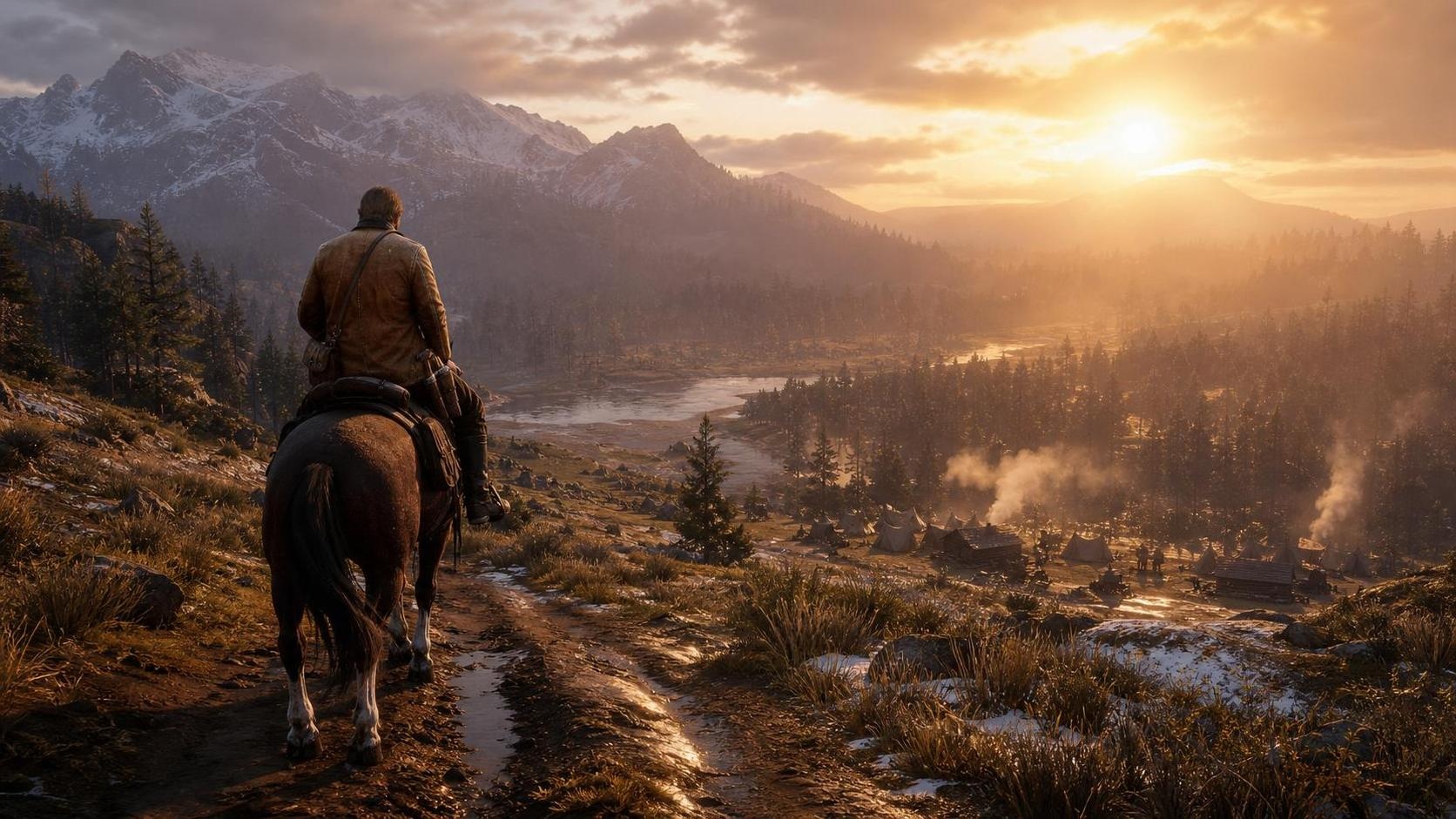
It Still Looks Better Than Most Games Coming Out Now
It's been nearly eight years since Red Dead Redemption 2 came out in October 2018. Back then, the PS5 was still a rumour. The RTX 3000 series didn't exist. And yet here we are in 2026, and a screenshot of Arthur Morgan riding through a storm at sunset can still stop thousands of people mid-scroll. That's not nostalgia. That's craftsmanship.
I recently reinstalled Red Dead Redemption 2 for the first time in years. Not for a quick nostalgia trip — for a proper, slow-burn replay. And what I found surprised me. The game hasn't just aged well. It's somehow become more impressive with time, precisely because the industry around it has moved in the opposite direction.
The secret isn't raw polygon counts. It's art direction. Rockstar didn't just throw high-resolution textures at the screen and call it a day. They built an environment where every blade of grass and every rain-soaked jacket felt deliberate. The dynamic lighting system alone still draws comparisons to titles releasing right now. The way weather rolls in across the plains. The way your horse's coat gleams after a downpour. The way Arthur's jacket folds differently depending on which foot he steps with. These aren't just technical achievements — they're deliberate choices that hold up in a way raw specs never can.
The World Never Stops Breathing
In 2026, open-world games have become obsessed with scale. Bigger maps. More markers. Procedurally generated everything. And yet, for all their ambition, most of these worlds feel like elaborate dioramas — beautiful to look at, but hollow when you scratch the surface. RDR2 is different. The world doesn't stop when you do.
Every creature, every passerby, even the horses you're not riding — they all seem to have internal lives more complex than some game protagonists. A grizzly bear doesn't just charge on a scripted loop — it scavenges, fishes, and reacts to weather. The horses sweat, defecate, spook at snakes, and form individual bonds with Arthur. It's the only game where neglecting to brush your horse can make you feel like an actual monster.
Then there's the human ecosystem. NPCs in RDR2 aren't cardboard cutouts. The blacksmith actually works. The saloon pianist quits when it's late. The lawman patrols and then grabs a drink. Greet the same townsperson three times and watch their reaction shift from a grunt to a scowl. This isn't a binary good/evil meter — it's full immersion into a society that sees Arthur as a person, not a quest receptacle.
Even the quiet moments hit differently. Not when the mission markers demand attention, but when you simply point your horse toward the tree line and trot off with no plan. A stranger might stumble from the underbrush with a snakebite. Another might challenge you to a shooting contest. Even if nothing scripted fires at all, the world around you keeps humming.
The "Slow" That Drives Some People Crazy
Of course, not everyone loves this approach. And in 2026, the debate is still alive and well. A Polygon journalist recently called RDR2 a "terrible game" and "a nightmare," sparking heated debates across forums and social media. The core complaint? Excessive realism. In an era of short attention spans, the slow pace imposed by the developers goes "beyond reasonable limits" and turns entertainment into a "tedious chore."
And honestly? I get it. The game asks a lot of you. The animations are deliberate. The travel is long. The opening hours in Horseshoe Overlook can feel more like a homesteading simulation than a video game. Some players describe falling asleep during the early chapters.
But that slowness is the point. RDR2's appeal requires time to reveal itself. As one Chinese player put it: "它是剥丝抽茧不是斩鬼除魔" — it's about peeling back layers, not slaying demons. If you're looking for instant gratification, this isn't your game. But if you're willing to sink into its rhythm, it offers something no other open-world game can match.
The Numbers Don't Lie
For all the controversy, the numbers tell a clear story. As of March 2026, Red Dead Redemption 2 has sold over 85 million copies — making it the third best-selling game in history. It has outsold Wii Sports and The Sims. In its latest reporting period, Take-Two described RDR2's performance as "vastly more resilient than anyone expected."
This isn't a game coasting on reputation. It's a game that's still selling — without major updates, without fanfare, without the live-service treadmill that dominates modern gaming. Rockstar announced it was winding down updates for its "horse riding simulator" back in 2022. A surprise update in 2025 added zombies and robots to Red Dead Online, but the single-player game has been left untouched for years. And yet, it keeps selling.
Why No One Has Topped It — And What It Means for GTA 6
So here we are in 2026, at the midpoint of a console generation that promised unprecedented living worlds. What have we actually gotten? Bigger maps. More markers. Better performance. But has any game matched RDR2's immersion? The honest answer is no. Some games have surpassed it in specific areas — Crimson Desert with its water physics, Elden Ring with exploration, Breath of the Wild with environmental interaction — but none have built a world that feels this alive.
There's also the GTA 6 factor. Every clip of Arthur Morgan riding through a storm raises the bar for what fans expect from Rockstar's next big release. RDR2 is both proof of what the studio can achieve and a reminder of what's expected. If GTA 6 matches RDR2's depth, it could be one of the greatest games ever made. If it falls short — if it prioritises scale over soul — fans will notice. RDR2 has set a standard that the industry hasn't caught up to in eight years.
The Final Verdict
Engines get replaced. Studios get acquired. Games quietly disappear from storefronts. But Red Dead Redemption 2 is still here, still pulling thousands of likes with a single screenshot of a sunset over the plains. Few open-world games hold up this well this long. The ones that do share one thing: developers who prioritised atmosphere over raw specs.
In 2026, when I look back at Red Dead Redemption 2, I don't see a perfect game. I see a great one — one that chose immersion over accessibility, depth over speed, and soul over spectacle. It's the kind of game that reminds you why you fell in love with this medium in the first place. And eight years later, no one has come close to matching it. That's not nostalgia. That's just the truth.
Explore on Olgjoy Games
Ready to play? Browse free HTML5 games or read more guides.
More to read
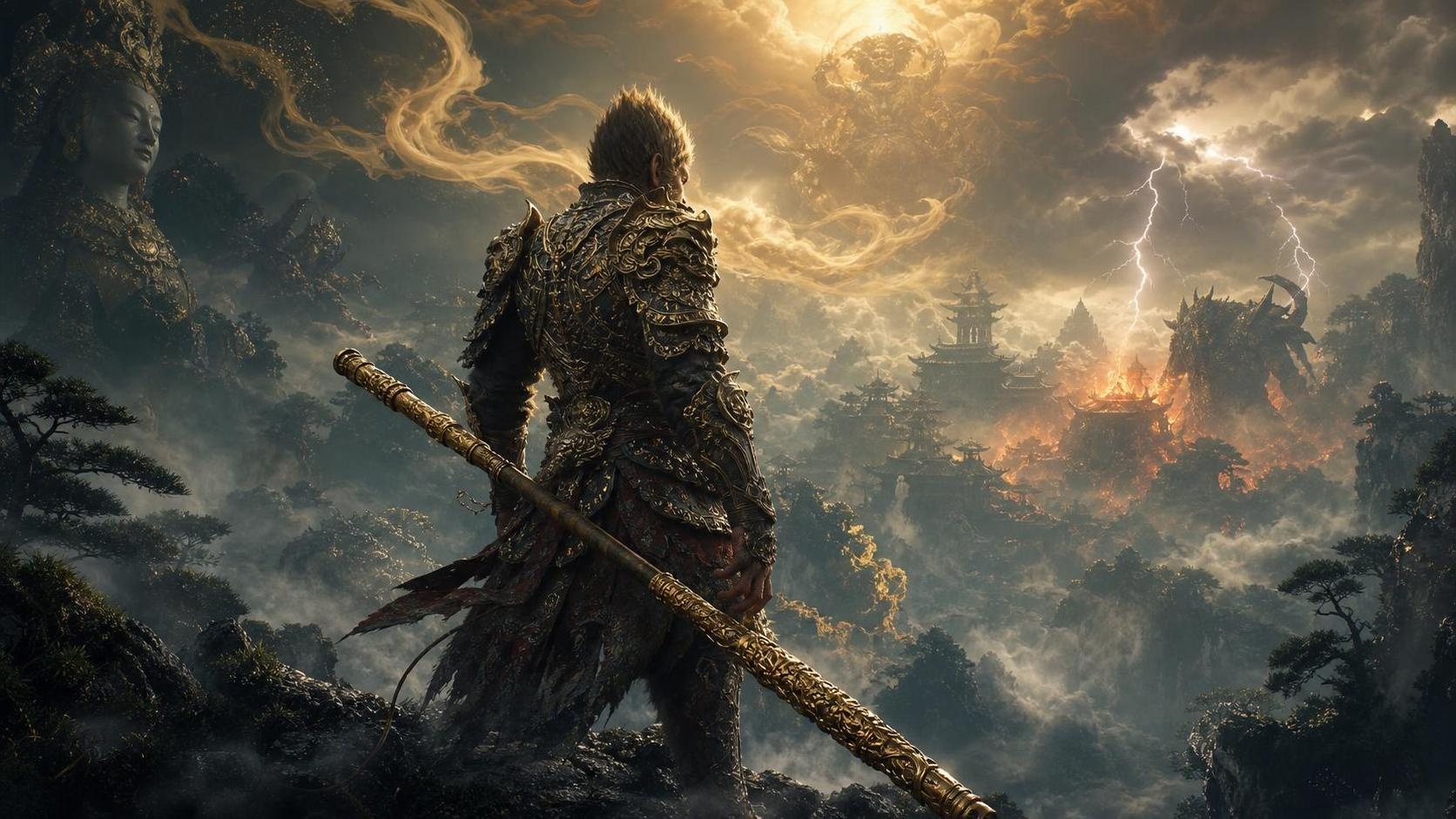
Black Myth: Wukong, Two Years On – A New Game Plus Retrospective
After 170 hours and two playthroughs, returning to Black Myth: Wukong reveals a game that has aged in surprising ways — smoother performance, deeper builds, and a hidden ending worth the grind.
Interactive Movie Games Are Losing Their Shine — What's Behind the Recent Backlash?
After years of buzz, the interactive movie genre is facing a wave of lukewarm reviews and player frustration. From creative bottlenecks to the streaming problem, here's what's gone wrong.
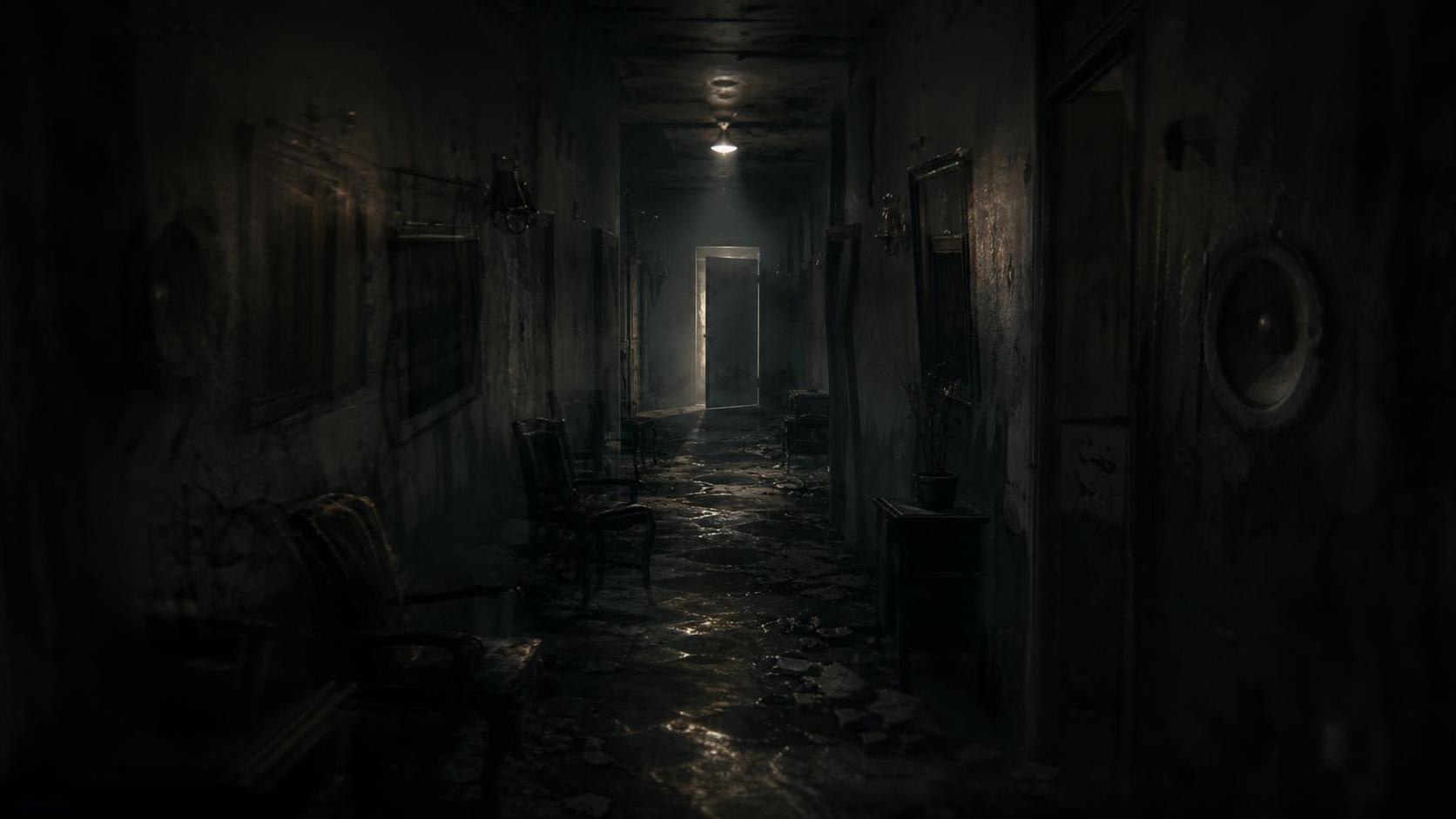
How Horror Games Are Using Sound Tricks and Visual Lies to Mess With Your Head
The most terrifying games today don't just make you jump — they make you question everything you hear and see. Audio puns and environmental misdirection are becoming the foundation of modern fear.
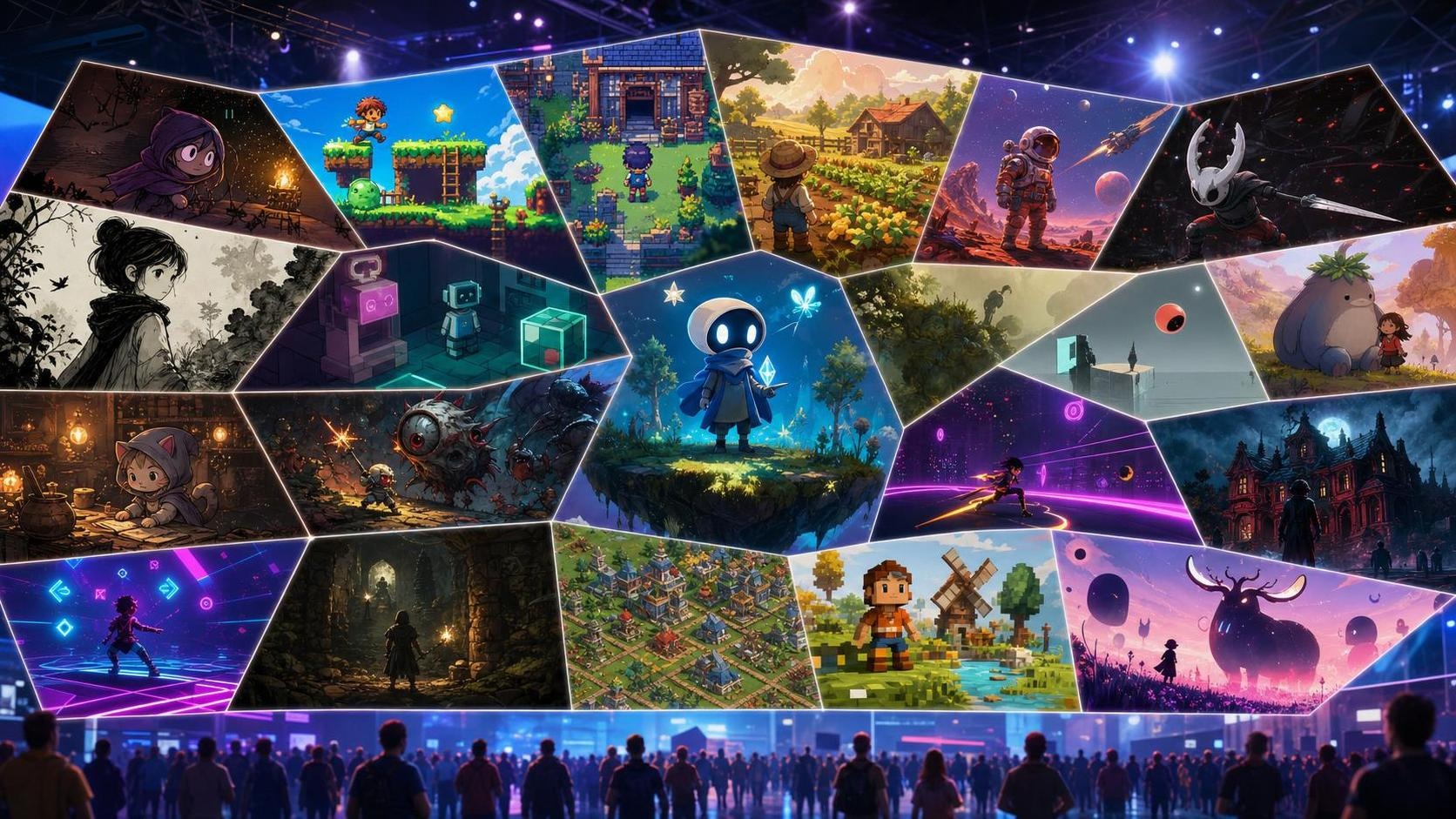
20 Indie Games to Watch at Gamescom 2026
From KRAFTON's second-party showcase to the hidden gems of Hall 10.2, here are the indie titles that deserve your attention at Gamescom 2026.