
Interactive Movie Games Are Losing Their Shine — What's Behind the Recent Backlash?
After years of buzz, the interactive movie genre is facing a wave of lukewarm reviews and player frustration. From creative bottlenecks to the streaming problem, here's what's gone wrong.

The Same Old Script: Gameplay vs. Narrative
For a while, it felt like interactive movie games were the future. Titles like The Walking Dead from Telltale, Her Story, and especially Detroit: Become Human captured the imagination of players who craved narrative-driven experiences where choices seemed to matter. The genre burst into the mainstream, promising to merge the emotional depth of cinema with the agency of gaming.
But lately, something has shifted. The buzz has faded. Recent releases are getting lukewarm receptions, and players are increasingly vocal about their frustrations. You only need to look at the mixed reactions to titles like Dispatch or the controversy surrounding The Queen's Game: The Prosperity of the World to see a pattern emerging.
So what's going on? Is the interactive movie genre simply running out of steam, or are deeper creative problems at play?
The core tension in interactive movie games has always been balancing two competing needs: a smooth, cinematic experience and engaging, interactive gameplay. When you're watching a movie, you want the story to flow. When you're playing a game, you want to make meaningful decisions and feel in control. But in many interactive titles, these two elements are at war.
The most common criticism is that the "gameplay" is often a thin veneer over a linear story. You get a dialogue option here, a QTE there, but your choices don't fundamentally change the narrative's trajectory. This leads to a feeling that you're just "watching a movie with extra steps," as one critic put it. The gameplay is there to give the illusion of agency, but the illusion is easily broken when you realise your "choice" just leads to a different pre-rendered video clip.
This sense of a "lack of gameplay" is a major reason why some players are turned off, feeling that the experience is more passive viewing than active playing. One academic analysis even notes that these games are often derided because of this lack of interactivity, forcing players to rely on their imagination and patience to piece the story together.
The "Made for Streaming" Problem
Another issue plaguing the genre is its vulnerability to the internet age. Because interactive movies are so heavily reliant on their narrative and spectacle, they are prime candidates for streaming and Let's Plays. In fact, some argue the genre is almost built for this, creating "watercooler moments" that drive engagement online. But this very strength is also its weakness.
Why spend £40 on a game when you can watch a streamer play it for free and get nearly the same experience? The game's core value — its story — is easily and freely consumed. As one analysis points out, this "lack of game experience value" makes it the "most easily spoiled" type of game. Some developers are aware of this. Dispatch, for example, was released in episodes like a TV show, perhaps in part to combat the spoiler culture and build a community around its release.
The Soaring Costs of Reality
Making games with live-action video (FMV) or highly polished 3D cinematics is not cheap. It requires actors, sets, costumes, and a shoot that feels more like making a film than a game. If a story doesn't land with players, or if a scene needs to change, you can't just "patch" it like code. You'd need to re-shoot it, which is often logistically impossible. This creates a massive financial risk.
The stakes become painfully clear when a high-profile project fails. Take the case of The Queen's Game: The Prosperity of the World. Despite an aggressive marketing campaign and its creators' pedigree from the beloved The Invisible Guardian, it was released as a "half-finished product," containing only the first "Mei Niang" chapter with an abrupt cliffhanger. Players were furious, with many decrying the "frequent and illogical deaths" as a shallow way to fake depth. It's a classic case of a project that was hyped to the heavens but couldn't deliver on its promises, highlighting the precarious nature of the genre where production costs and narrative complexity often spiral out of control.
The Industry's Biggest Bottleneck: The Script
According to industry experts, the biggest challenge facing interactive narrative games isn't technology or cost — it's the script. AI tools like "AltFlow" are making it easier to generate branching narratives and handle production, but they can't solve the fundamental problem of creating a truly compelling story.
"AI writes a good script, I think, is still very difficult. At this stage, it's not able to write a gripping, up-and-down story," said Kun Peng, founder of Huying Technology. The inherent complexity of interactive storytelling, where a writer must map out all the possibilities of a multi-branching narrative, is a monumental task. It's one thing to write a linear story; it's another to write a story that can go in dozens of different directions while still making sense and retaining emotional impact. As one venture capitalist noted, "what is most valuable in the industry is still human intelligence, emotion, and expression."
Finding the Balance: The 'Dispatch' Example
The recent release Dispatch (by Telltale Games) offers a fascinating case study in trying to solve these problems. It attempted to marry its cinematic presentation with a more structured gameplay loop. In the game, you play as a hero who has to manage and dispatch other heroes on missions. This "Hero Dispatch" mechanic is a significant part of the game, layered with strategy and character management.
The game uses various techniques to make this integration feel seamless, such as unifying the UI style so the game and cinematic elements don't clash, and having the gameplay loop itself serve to progress character development. It shows a clear ambition to move beyond the "pick A or B" paradigm. However, even this more interactive approach has limits. The game notably speeds up its QTE events and choice timers to keep the "cinematic" flow going, sometimes to the point where it can feel like the game is rushing the player. This highlights the ongoing struggle to find a "sweet spot" where the gameplay and the film are in harmony.
The Verdict
The interactive movie genre isn't dead, but it's clearly in a state of creative turmoil. Its recent struggles are a combination of several factors:
A fundamental design conflict between the passive experience of watching a film and the active agency of playing a game.
An economic model that's vulnerable to streaming and encumbered by soaring production costs.
A creative bottleneck where the ability to generate complex, branching narratives hasn't kept pace with production capabilities.
To survive and thrive, developers need to move beyond the "Choose Your Own Adventure" model that's becoming tired. The future of interactive movies likely lies in integrating gameplay more deeply with the story, much like Dispatch attempted, or by creating compelling, open-ended mysteries, like the Her Story and Telling Lies games, which use non-linear discovery as their core mechanic.
Until the industry can crack the code on balancing these elements, the "interactive movie" may remain a fascinating but flawed promise, stuck in a cycle of "boom and bust" that leaves players yearning for something more.
Explore on Olgjoy Games
Ready to play? Browse free HTML5 games or read more guides.
More to read
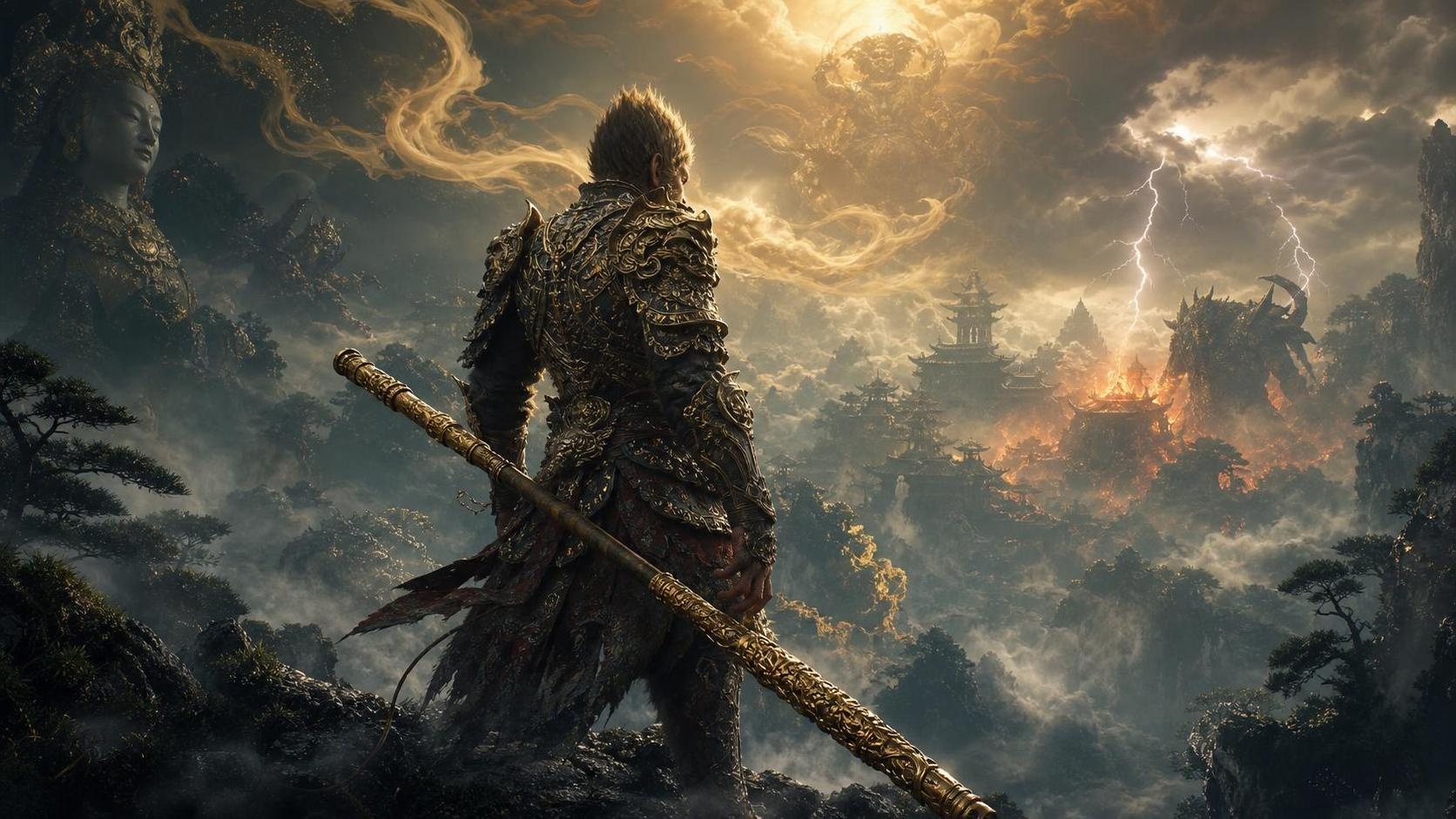
Black Myth: Wukong, Two Years On – A New Game Plus Retrospective
After 170 hours and two playthroughs, returning to Black Myth: Wukong reveals a game that has aged in surprising ways — smoother performance, deeper builds, and a hidden ending worth the grind.
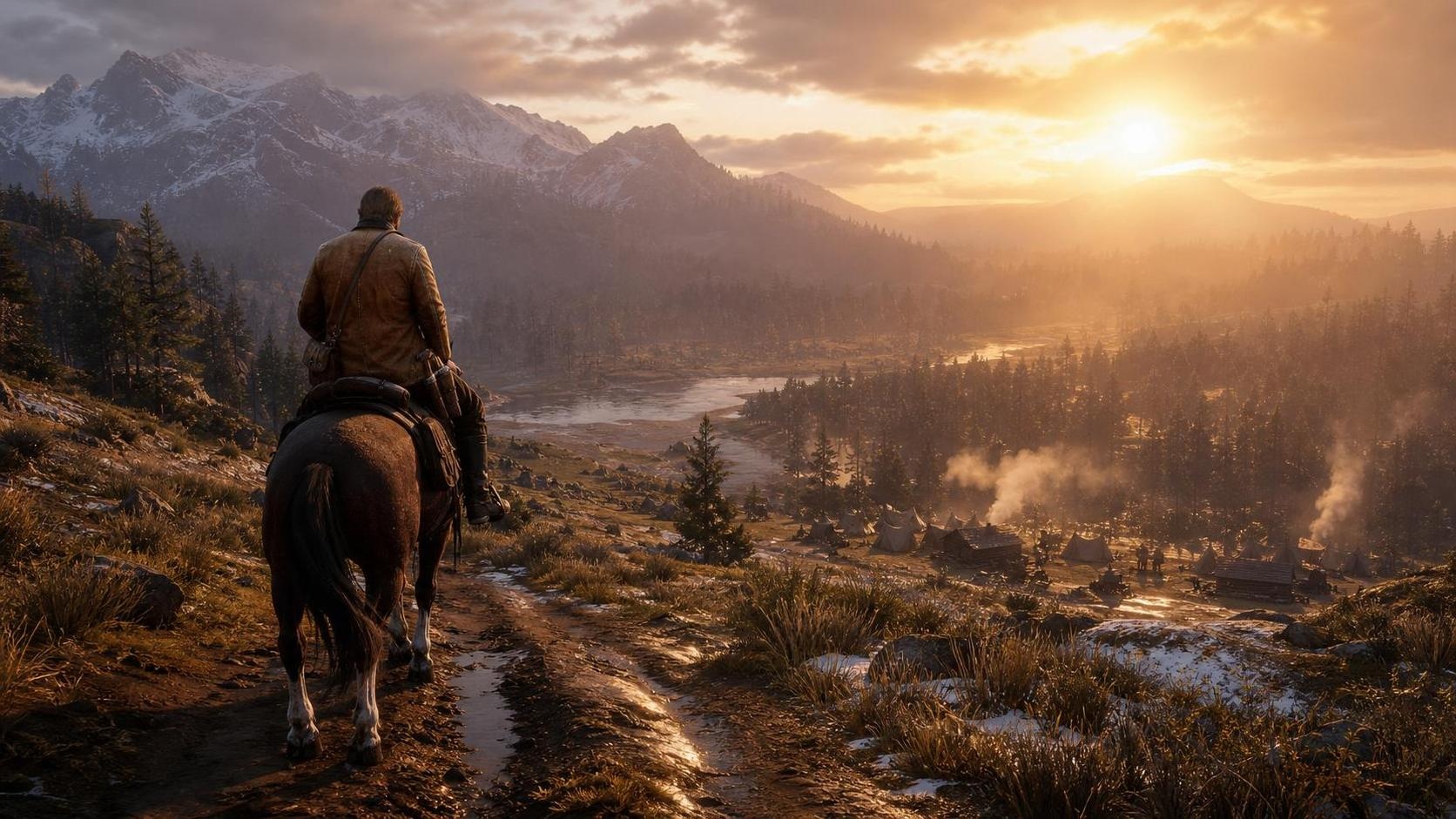
Red Dead Redemption 2, Eight Years On – Why Nothing Else Comes Close
Nearly a decade after launch, a single screenshot of Arthur Morgan riding through a storm can still stop thousands mid-scroll. That's not nostalgia — that's craftsmanship.
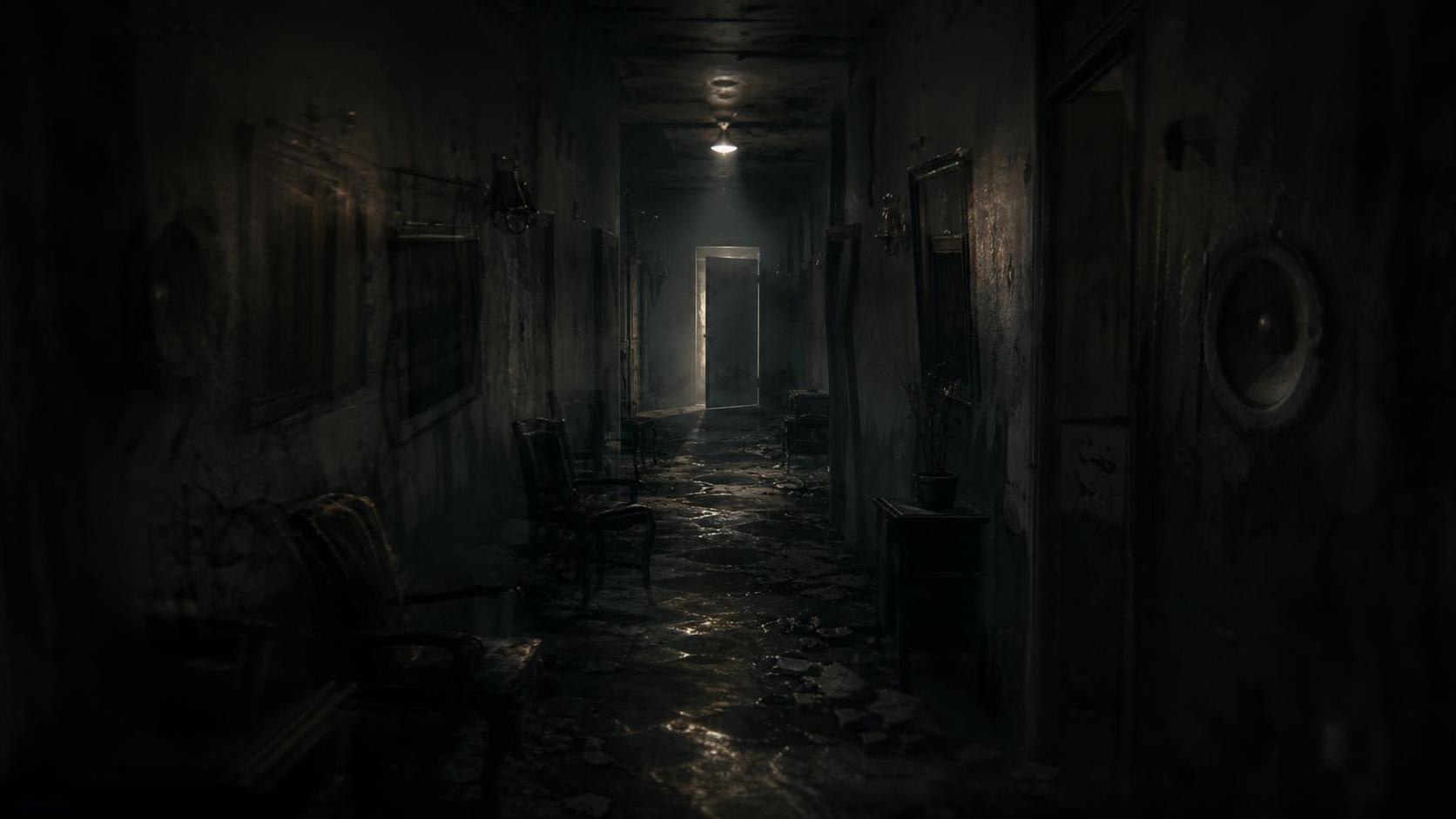
How Horror Games Are Using Sound Tricks and Visual Lies to Mess With Your Head
The most terrifying games today don't just make you jump — they make you question everything you hear and see. Audio puns and environmental misdirection are becoming the foundation of modern fear.
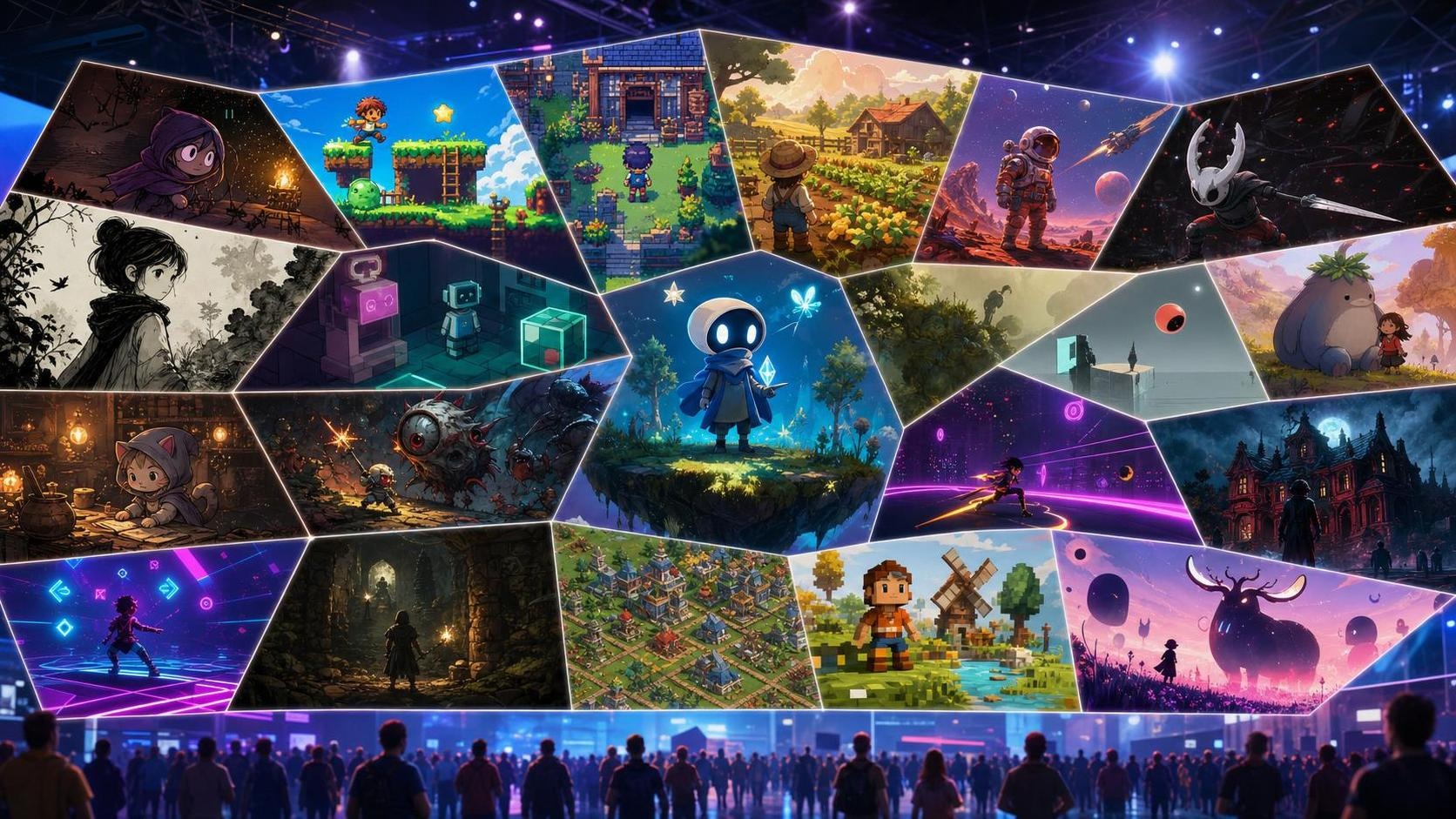
20 Indie Games to Watch at Gamescom 2026
From KRAFTON's second-party showcase to the hidden gems of Hall 10.2, here are the indie titles that deserve your attention at Gamescom 2026.