I seem to smell the ink smell of the printing machine through the screen.
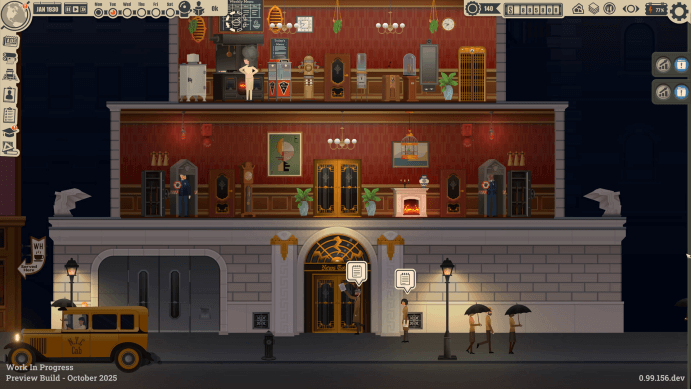
I sat in the editor-in-chief’s chair, and in front of me was today’s morning newspaper. The headline is blank, wait for me to fill it in. There are three pieces of news on the left: the city council passed the new sewer budget, the third day of the strike of female workers in the textile factory, and the rich lady’s pet dog beauty contest. The city outside the window is New York in 1928, but my troubles are more specific than the times — the printing press is waiting downstairs, the workers are waiting to get paid, and the subscribers are waiting for the shock or comfort of tomorrow.
I chose female workers to strike. In the photo, they are holding signs and their eyes are very stiff. I wrote the title: “Is the sewing thread about to break?” and clicked to send. A few minutes later, the circulation figure jumped and did not rise much. Then, the people from the advertising department knocked on the door and came in with a bad face. It turns out that the textile factory is one of our big advertisers. He didn’t say it clearly. He just gently put a new contract on my desk and gently clicked on the terms of “positive business atmosphere”.
The next day, I chose Sewer News. The title is written flatly and steadily. The circulation didn’t move, but the people from the advertising department didn’t knock on the door. In the afternoon, my reporter ran back and said that the conflict at the strike site had escalated and a female worker was injured. The blurry photos he took were placed on the table, which was much more powerful than the square words on the clear sample. I looked at the photo and then at the calm release curve today. For the first time, I felt that the pen in my hand was heavier than the lead.
Readers are not numbers, they are a letter to the editorial department. Someone wrote a letter to thank us for reporting on the strike, saying that he saw the shadow of his sister. Some people also wrote to scold us for inciting opposition and saying that they wanted to unsubscribe. I nailed the unsubscribe letter to the wall, and there was a thank-you letter next to it. The wall slowly turned into two colors, one hot and the other cold.
The pressure of money has always followed. Pay for a faster telegraph machine, hire more reporters to run the scene, and pay the columnists who investigate the epidemic in the slums. Where does the money come from? Bigger advertisements, more gentle editorials, or more color photos of pet dog beauty? Every time I nod to agree to an advertising contract, I feel that the printing press rolls a little slower, as if something else is mixed in the ink.
The most difficult time is the election season. People on both sides came to the door. While promising the advertisement, it hinted that there was exclusive material. The reporters under me really dug up the scandal of one of them, and the evidence was solid. Put the manuscript in front of me, send it or not? If you send it, you may lose a large amount of income and even get into a lawsuit. If I don’t send it, the reporter’s eyes will darken at me, and the thank-you letters on the wall will become ridiculous.
I didn’t make up my mind. In the headline of the newspaper that day, I changed it to a new polar bear in the zoo. It’s very safe and cute, and the circulation dropped a little. In the afternoon, I passed by the lounge and heard two reporters whispering. It seems that we have also started to sell polar bears. One person said. I didn’t go in and turned around and left.
Later, I didn’t post that scandal. I returned the evidence to the reporter and didn’t explain anything. He didn’t ask me either. He just collected the good things. The next day, he handed in a long report on the planning of urban parks. It was well written, and it was not painful or itchy. There seems to be an extra layer of thin but tough paper between us, which can no longer be broken.
At the end of the game, my newspaper was still there. The circulation volume is neither high nor low, and the advertising revenue is just enough. I didn’t become a hero in the history of journalism, nor did I become a shameless businessman. I just let a small news tower stand in the wind, although it was a little crooked.
Quit the game and turn off the computer. The mobile phone screen was on, and a headline of the day was pushed. I watched it for three seconds and then turned off the screen.
I suddenly remembered the titles and photos I had written and selected in the game, and pressed down the manuscripts that had not been sent. Every newspaper delivered to others has been weighed - on the one hand, it is a fact, and on the other hand, it is the need to live. And the so-called truth is sometimes not hidden. It is just a little thinned by the ink roller of the printing machine that day, gently and without a trace.
_News Tower_ didn’t give me a chance to be a hero. It only gave me an editor-in-chief’s office that was always blown by the cold wind, and a snow-white front page that always needed to be filled. And every word filled in is quietly changing the shadow of the tower, whether to make it stand upright, or to tilt it slightly in the direction of light but perhaps less clean.