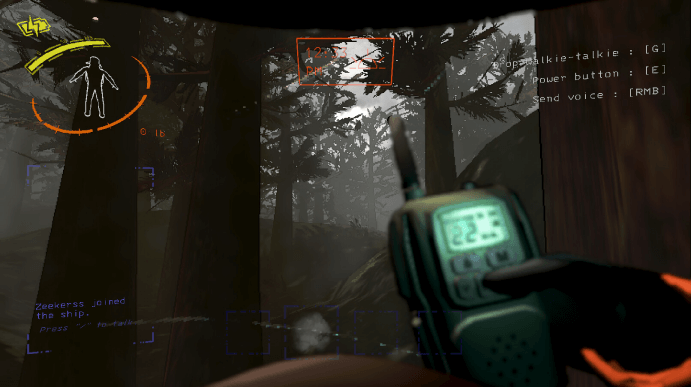
At the beginning of the first round, I had ten souls in my hand.
They are shining in the small bag in the corner of my screen, which is the money of the underworld. There are three “warriors” who can be hired standing in front of them: a skeleton with a rusty sword, a fickle ghost, and a dwarf ghost who can throw stones. I took a look and chose the skeleton because it looks stronger. It took five souls and put it into the battlefield grid.
Fight by yourself. My skeleton and the ghost on the opposite side cut each other one by one, moving slowly as if they were dozing off. A few seconds later, the skeleton broke into ashes and fell to the ground. I lost the first round.
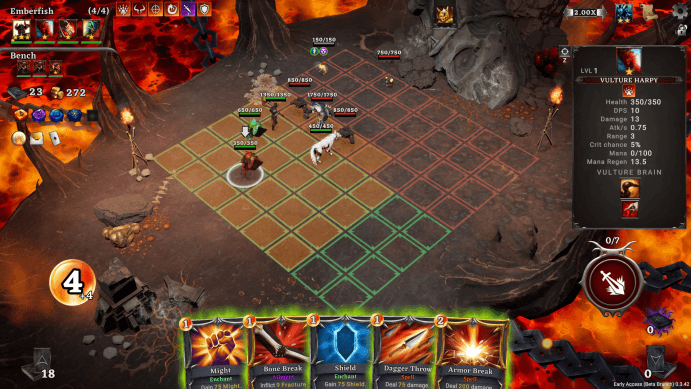
I don’t think so. Anyway, the next round will start soon. But when I looked at the bag, I was stunned — there were not many souls, but fewer. If you lose, you will be deducted money. The light just now is half dark now. I suddenly sat up straight. It turns out that what you lose here is not only the round, but the only capital in your hand.
In the second round, I was a little cautious. Look at the three new ghosts, and then look at the price. The expensive one needs eight souls, and the skills are fancy. There are only three cheap ones. He is a nerd who can only rush forward. I don’t have enough money to buy expensive ones, and I don’t want to buy cheap ones. The hesitation time is only ten seconds, and the timer is jumping. Finally, I bought a medium one and added the cheapest one as cannon fodder.
I won this time. Two ghosts staggered and knocked down the opposite side. At the moment of victory, they turned into light and flew back to my bag, and the soul jumped, adding five more. I was relieved, and then I found that the next round of shelves had been completely changed — the expensive ones were more expensive, and there were varieties that I had never seen before. The prize of the victory just now was not spent at all.
I just went down like this. If you have more money, you can buy a great one. If you have less money, you can make do with it. If you lose, you will get poorer faster. Sometimes if you are lucky enough to win consecutively, the soul in the bag will shine, and you can hire a row of majestic-looking teams. But soon the system will make the price rise a round, or brush out the opponent who specializes in defeating my lineup, and beat me back to the original form in a few times.
The craziest time was that I had twenty souls in my hand and calculated to buy two senior soldiers. As a result, the three options brushed in that round were all sky-high, and the cheapest one was also 25. I can’t afford any of them. At the end of the countdown, I entered the battle empty-handed and watched the three enemies on the opposite side surround and tear my only soldier apart. The screen darkens, and the number of souls returns to zero.
I laughed angrily at that moment. This makes no sense. But ten seconds later, a new round began, and I stared at the three newly brushed and affordable options and began to calculate. It’s useless to be angry. The system doesn’t care. It only gives you ten seconds and a bunch of options that are getting more expensive. What you have to do is not to complain, but to decide how to survive this game immediately.
After playing for a long time, I found that I had changed a lot. No longer obsessed with the soldiers who look powerful, and begin to pay attention to those who are cheap and manageable. Begin to remember which combinations have a miraculous effect — for example, the slow-floating mud monster, put behind the ghost that can push people, which can just poison the opponent on the mud monster. I began to get used to this kind of chaos. In the irregular price increase and randomly refreshed shelves, I found a little rule that I could grasp.
Sometimes I win in a row and feel like a tycoon in the underworld. Sometimes there is a series of defeats, and it is so poor that it can only afford to buy the weakest soldier. It is alone and solved by the opposite side a few times. But whether you win or lose, there will be a new round in ten seconds. The shelves will be refreshed and start over.
When I quit the game, I leaned on the chair, and there was a jingling sound effect in my ears during the battle. The room is very quiet. I looked at my mobile phone and out of the window, and suddenly felt that this game was not so strange.
Don’t we also live in all kinds of “ten-second countdowns”? The money, time and opportunities in hand are always changing, sometimes more and sometimes less. The market will change, and the options will change. Sometimes you can afford it, and sometimes you can only watch. Losing a round will hurt, but the next round will still come.
_Hadean Tactics_ didn’t teach me esoteric economics. It only allows me to practice one thing over and over again on the battlefield of the underworld: when the soul in your hand is never enough, when prices are always changing, when failure will come at any time — can you take a deep breath, choose the best one for you at the moment before the end of the ten-second countdown, and then put it on the battlefield to see if it plays the whole game. Lose, but the fight must be finished.