
007 First Light Did Not Break Sales Records — and Still Teaches Stealth Design
IO Interactive’s Bond debut earned strong reviews but softer launch sales. What its social-infiltration loop, Hitman heritage, and pacing trade-offs mean for players and designers — including browser titles.
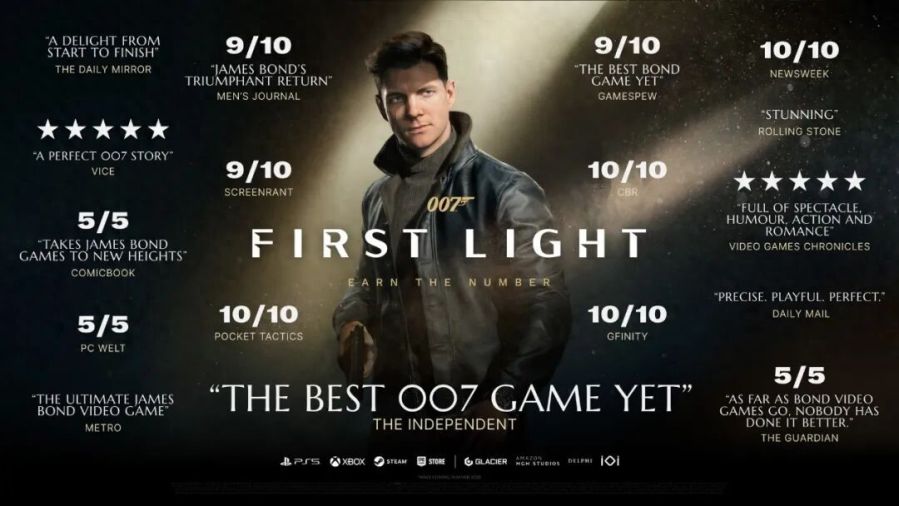
Good reviews, cautious buyers
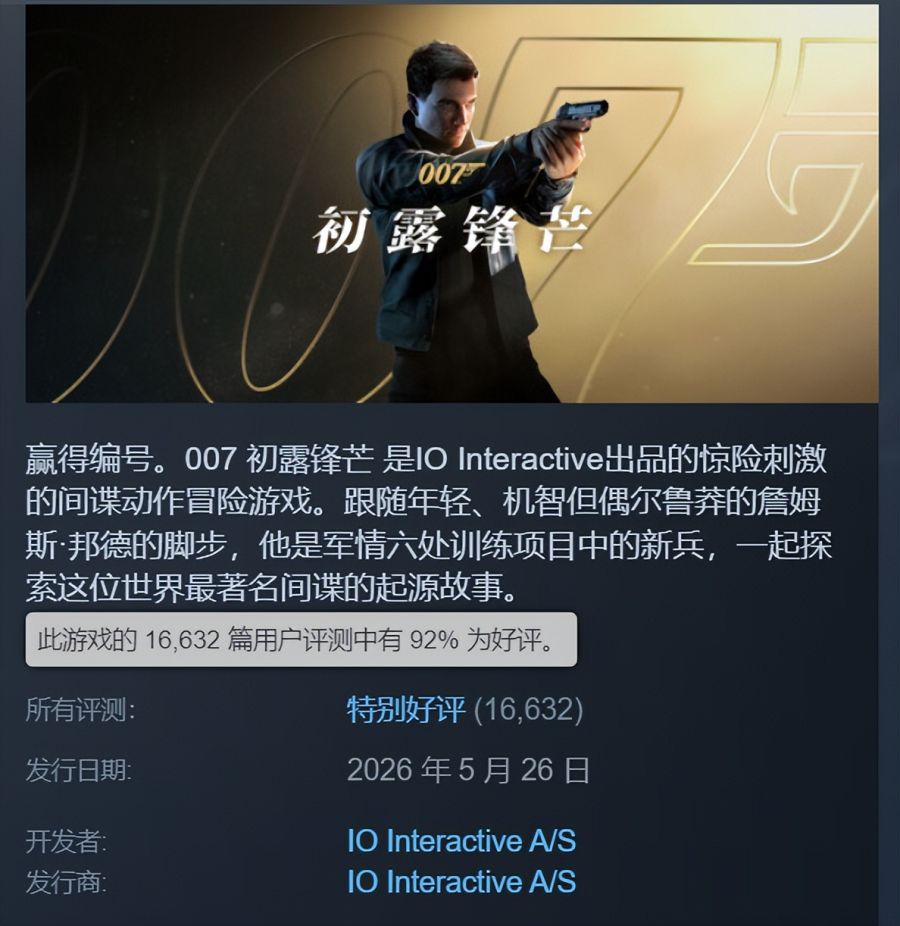
007 First Light arrived in the second quarter of 2026 with the kind of marketing push you expect from a major licensed action game. Critics and Steam reviewers mostly liked it. Star ratings and positive user scores suggest the team delivered a polished baseline.
Sales told a different story. The game did not behave like a day-one phenomenon that melts servers. Compared with other big IP launches — Marvel’s Spider-Man 2 reportedly moved roughly 2.5 million copies on its first day alone — Bond’s numbers looked modest.
Plenty of people bought at launch, but a large slice of the audience seemed willing to wait for a sale. That split matters: quality and commercial heat are not the same meter.
For a browser portal like Olgjoy, the lesson is familiar. A strong thumbnail and a famous name get clicks; retention depends on whether the first minute of play feels distinct.
Why players trusted IO Interactive

Bond games have a long, uneven history. GoldenEye 007 still casts a shadow; so do quick cash-in tie-ins from decades past. When First Light was first announced, skepticism was the default reaction.
Trust shifted once players saw IO Interactive on the credits. The studio’s Hitman reboot proved it could ship dense sandbox levels with multiple solutions, not just corridor shooting.
First Light plays like a modern cinematic action game in its set pieces: linear beats, bold lighting, and set dressing that recalls Uncharted-style pacing. The opening rain-soaked infiltration sequence, with tight cover sightlines and glossy surfaces, also nods to Metal Gear Solid V’s stealth grammar.
None of that is revolutionary on paper. In 2026, simply committing to a single-player, story-forward console experience still counts for something.
Social infiltration, not shadow crawling
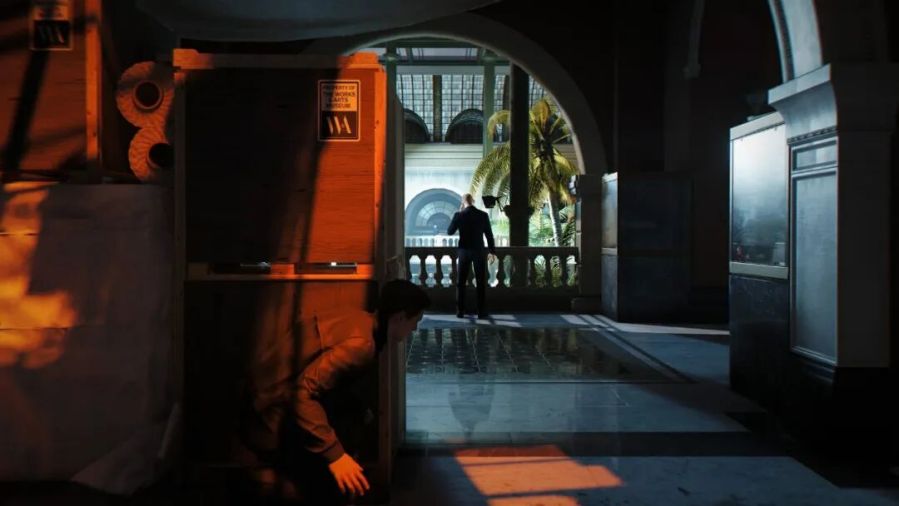
The design hook is crowd-based infiltration. Many missions ask you to move through busy public spaces, listen for useful dialogue, swap tools, and nudge NPC routines instead of hiding in a vent for twenty minutes.
Combat exists — melee brawling, cover shooting, signature car chases — but depth stays broad rather than specialist-deep. You will not get Sekiro-level melee mastery or Gears-level shooting here. The game knows its center of gravity.
Players who expect only explosions may bounce early. Players who enjoy dialogue checks, environmental shortcuts, and “solve the room” pacing often stick around.
That tension — spectacle marketing versus quieter systemic play — likely shaped both word of mouth and the wait-for-sale mood around launch.
Classic stealth is still hide-and-seek

To understand what IO changed, it helps to name what “classic stealth” meant for thirty years.
The loop is older than Metal Gear. Even Pac-Man framed avoidance around patrol patterns and limited player agility. Later hits — Tenchu, Thief, Splinter Cell, Metal Gear Solid — wrapped the same idea in espionage fiction.
Get spotted and you usually lose tempo. Stay unseen and you keep your toolkit: gadgets that manipulate AI states, routes that bypass direct fights, and level geometry that rewards observation.
Enemy design reinforces the loop. Guards move from idle patrol to alert search to open hostility. Your job is to stop that escalation before it starts.
Classic stealth proved you can build tension without constant gunfire. First Light inherits that grammar, then pushes it into daylight crowds.
Hitman raised the ceiling on open solutions
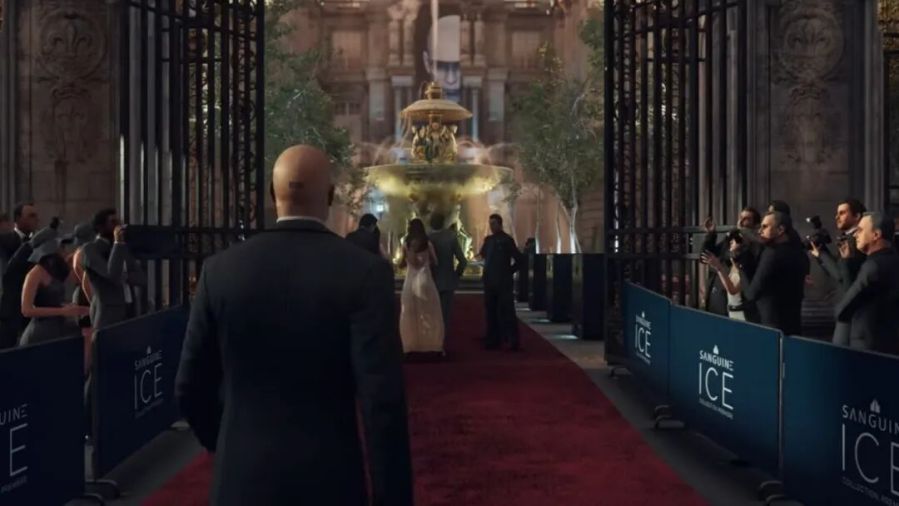
IO’s Hitman series is the clearest preview of First Light’s systemic ambitions — taken further.
Since Hitman: Codename 47 in 2000, the franchise has treated each assassination map as a logic puzzle with social disguise, environmental kills, and misdirection. The 2016 reboot doubled down: one target, one venue, dozens of credible approaches.
Picture a fashion influencer hosting a mansion party. You can poison a drink, trigger a staged accident, impersonate staff, or — if patience fails — shoot your way out. The game rewards reconnaissance: watch routes, note props, then commit.
First Light borrows the “many doors to one outcome” mindset but wraps it in a more linear Bond campaign. Hitman die-hards who wanted a full sandbox Bond game may have paused at checkout for that reason alone.
Why the studio chose a mainstream Bond route
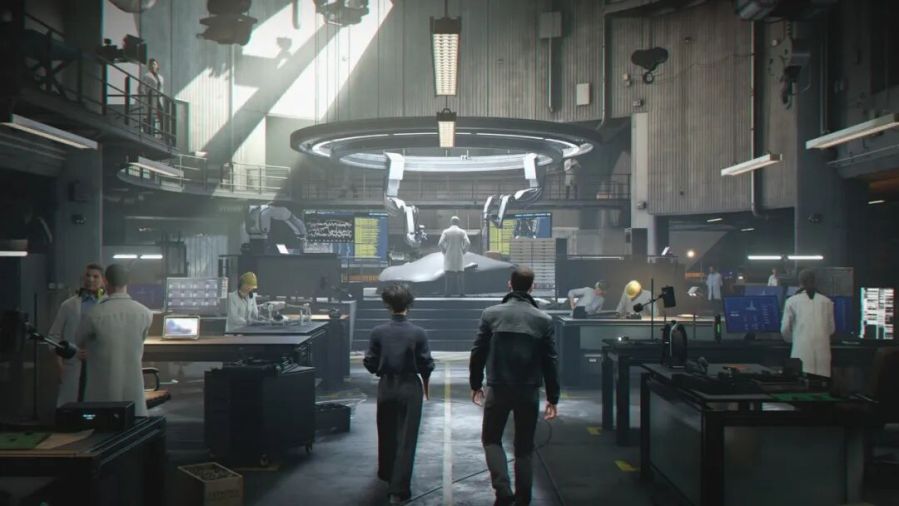
Hitman’s depth came with cost. Long production cycles and episodic experiments frustrated players who wanted a finished box on day one. IO eventually proved the model with Hitman: World of Assassination, but the scar tissue remained.
A multi-game Bond deal naturally points toward a broader audience: faster onboarding, clearer story beats, and set pieces that read well in trailers.
First Light is not a failed Hitman reskin. It is a bet that Bond’s license can carry a hybrid — cinematic action plus social stealth — without demanding Hitman-level map mastery up front.
Slow craft and a proprietary engine also limit how much work can be outsourced. That constrains scope, which shows up in combat depth even when infiltration shines.
What changed between old stealth and new
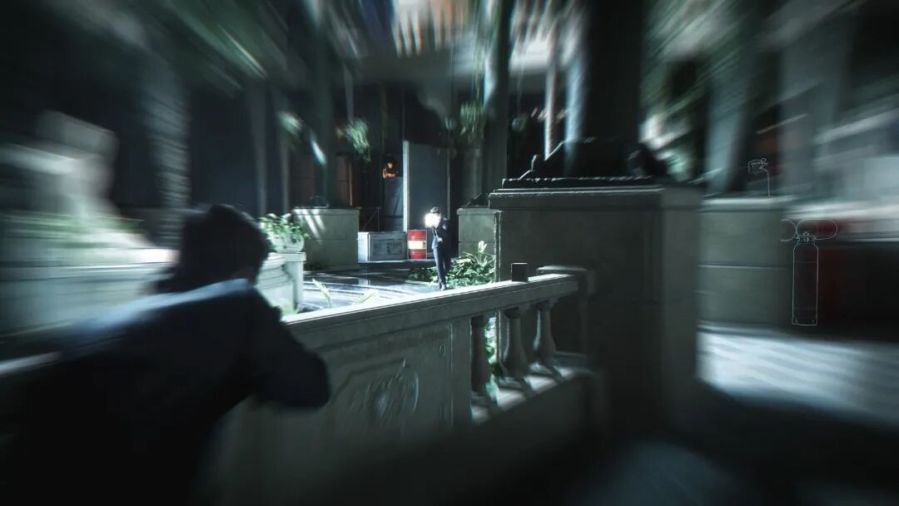
Technology matters. Compare crowd density and lighting fidelity in a 2015 stealth blockbuster with a 2026 Bond mission: more simultaneous NPCs, richer audio layers, and more readable social spaces.
Design cross-pollination matters just as much. Modern stealth borrows from puzzle games and narrative adventures: finite rule sets, emergent item use, and dialogue branches that feel like play rather than cutscenes.
Game designer Jesse Schell argues in The Art of Game Design that strong work mixes technology, mechanics, story, and aesthetics — then tests impossible ideas against real-life reference points. Stealth evolution follows that recipe: old constraints, new combinations.
First Light sits on that path. It is not the loudest shooter of the year. It is a case study in picking one systemic strength and building marketing around a license that already implies sophistication.
Takeaways for browser and HTML5 designers
Most Olgjoy titles will never ship a forty-hour campaign. The transferable ideas are smaller but real.
Patrol-and-avoidance puzzles in arcade stealth browser games use the same escalation ladder: calm, suspicious, chasing. Teach that state change with one clear visual cue and players grasp the genre fast.
Social layers can live in lightweight form too. A single screen with three NPCs, one key line of dialogue, and one interactable prop is enough to sell “agent work” without a AAA budget.
If your game leans on a famous genre, under-promise spectacle and over-deliver one clever interaction. First Light’s mixed launch suggests audiences notice when marketing noise outruns the core loop.
Browse Action and Puzzle rows on Olgjoy when you want to see how short-session browser games handle timing, pattern reading, and reward pacing — the same muscles stealth design has trained for decades.
Explore on Olgjoy Games
Ready to play? Browse free HTML5 games or read more guides.
More to read

Tutorial videos changed how people expect to learn a game
Players now arrive with video habits: show me quickly, let me copy once, then let me find my own rhythm.

Embedded Browser Games: Licensing Basics for Olgjoy Games Players
When you open a browser game, the site you clicked, the studio that made it, and the company hosting it may all be different.

Browser Gaming Notes for 2026-06-30
Quick notes on what keeps short HTML5 sessions readable and worth returning to on Olgjoy Games.

Embedded Browser Games: Licensing Basics for Olgjoy Games Players
When a game runs inside olgjoy.com, three parties matter: the portal, the embed host, and the studio that built the title you are playing.